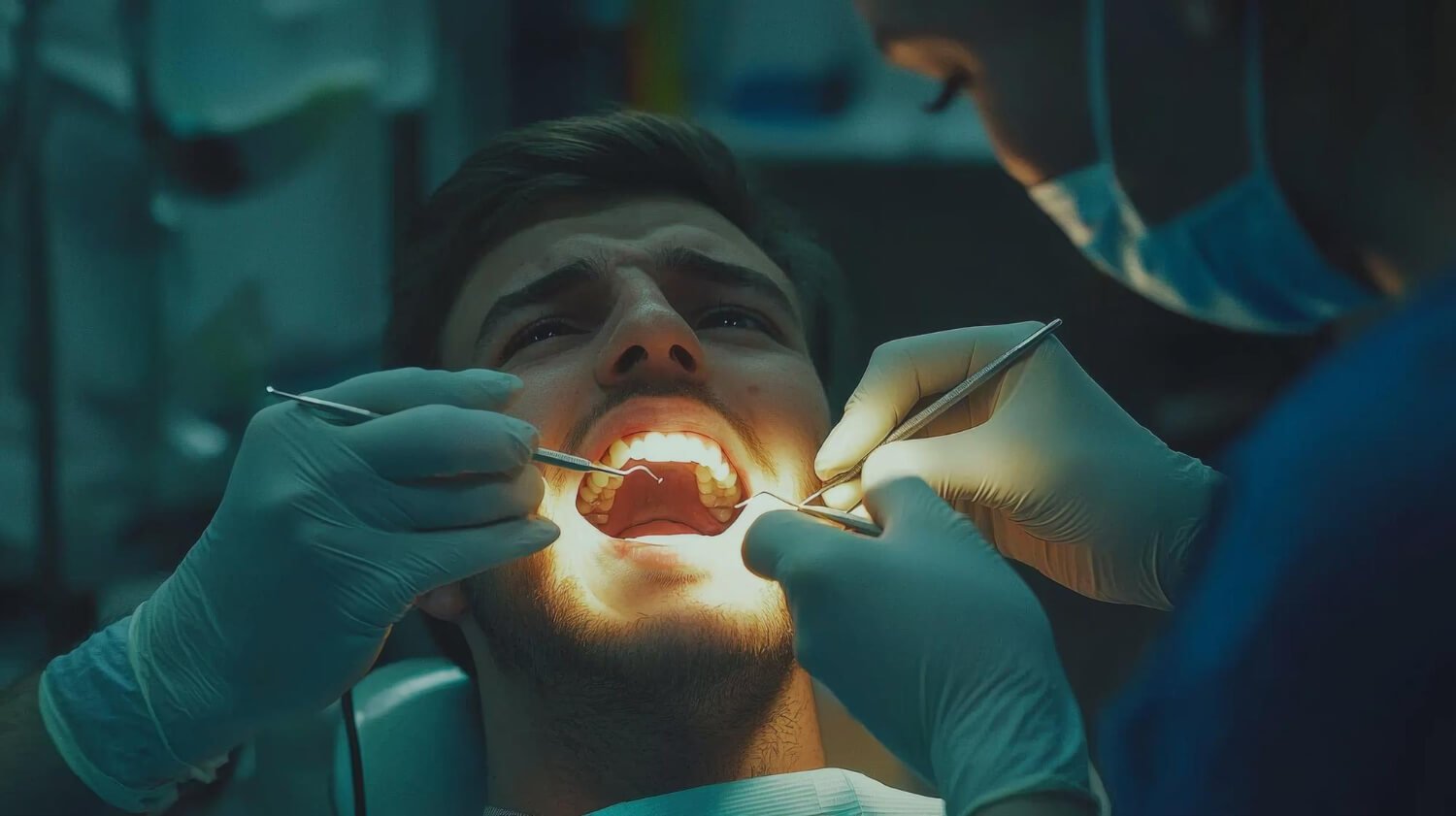
If your jaw has been aching at the back, or your dentist just mentioned the words “wisdom tooth,” you’re probably wondering — do I actually need this removed, or can I just wait it out? It’s a fair question, and one we hear almost every week at our clinic. The honest answer is: sometimes you can wait, and sometimes waiting is exactly what turns a simple problem into a painful one. Here’s how to tell the difference, and what wisdom tooth extraction in Valsad actually involves.
What Exactly Is a Wisdom Tooth?
Wisdom teeth are the last set of molars, usually showing up somewhere between your late teens and mid-twenties — right when most of us have already stopped expecting new teeth to grow in. The trouble is, by that age, your jaw has usually run out of room. So instead of coming in straight, they often come in sideways, partially, or get stuck under the gum entirely. That’s what dentists call an “impacted” wisdom tooth.According to the Indian Dental Association, impacted wisdom teeth are one of the most common reasons for oral surgery referrals in adults.
Signs You Might Need It Removed
You don’t need to be in agony to need an extraction — some of the clearest warning signs are quieter than that:
- Recurring pain or tenderness at the very back of your jaw
- Swollen or bleeding gums near the back molars
- Bad breath or a strange taste that won’t go away, even with brushing
- Difficulty opening your mouth fully
- Crowding or shifting in your other teeth
- A dull ache that flares up when you’re tired or stressed
If any of these sound familiar, it’s worth getting it looked at — not necessarily because it’s an emergency, but because it’s easier to treat early.
Why Not Just Leave It Alone?
This is the part people usually don’t expect: an impacted wisdom tooth rarely just “settles down” on its own. Left alone, it can:
- Trap food and bacteria in places you can’t clean properly, leading to infection
- Push against neighbouring teeth and slowly shift your bite
- Form a cyst around the tooth, which can affect the jawbone over time
- Cause gum disease that spreads to healthy teeth nearby
None of this means you need to panic — it just means “wait and see” isn’t really a strategy here. A quick check-up and an X-ray tell you exactly where you stand.
What the Procedure Is Actually Like
This is usually where people are most anxious, so let’s be direct about it. Most wisdom tooth extractions are done under local anaesthesia — you’re awake, but you won’t feel pain, only some pressure. Depending on how the tooth is positioned, it’s typically a straightforward procedure lasting somewhere between 20 to 45 minutes. Some soreness and mild swelling afterward is completely normal, and it settles within a few days with basic aftercare.
Recovery Tips That Actually Help
- Stick to soft foods (soups, mashed food, smoothies) for the first 2–3 days
- Avoid using a straw — the suction can disturb healing
- Gently rinse with warm salt water after 24 hours
- Skip smoking and alcohol until you’ve healed
- Take any prescribed medication on schedule, not just “when it hurts”
Frequently Asked Questions
Does every wisdom tooth need to be removed?
No — if it has grown in straight, doesn’t cause pain, and you can clean around it properly, your dentist may simply monitor it instead of removing it.
Is the extraction very painful?
The procedure itself isn’t painful because of the anaesthesia. Some soreness for a few days afterward is normal, but it’s manageable and temporary.
How long is the recovery?
Most people feel back to normal within 3–5 days, with full healing of the gum tissue taking a couple of weeks.
At what age should wisdom teeth ideally be removed?
Removal tends to be easier and recovery faster in your late teens to early twenties, since the jawbone is less dense and roots aren’t fully formed yet — but it can be done safely at any age if needed.
Book a consultation for wisdom tooth extraction in Valsad at Wisdom Castle Dental Clinic — Call +91 99987 20592