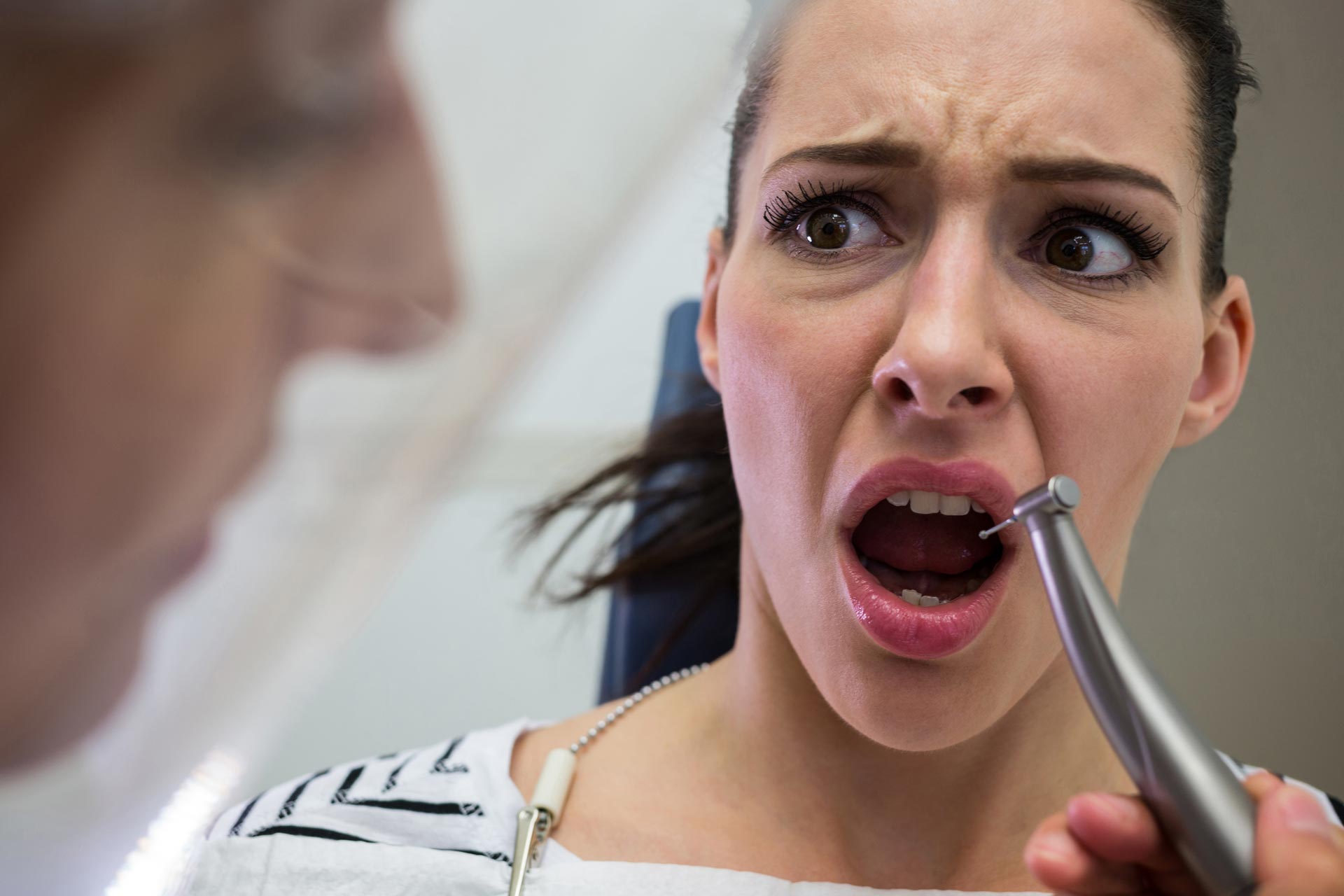
Dentophobia /Dental anxiety is one of the most common conditions present amongst the masses globally. It is the fear that makes individuals avoid seeking dental treatment which results in a deteriorated oral health-related quality of life. It is a vicious cycle.
Types
Most people with this phobia fear more than one element, while those with severe dentophobia may fear all or most elements simultaneously:
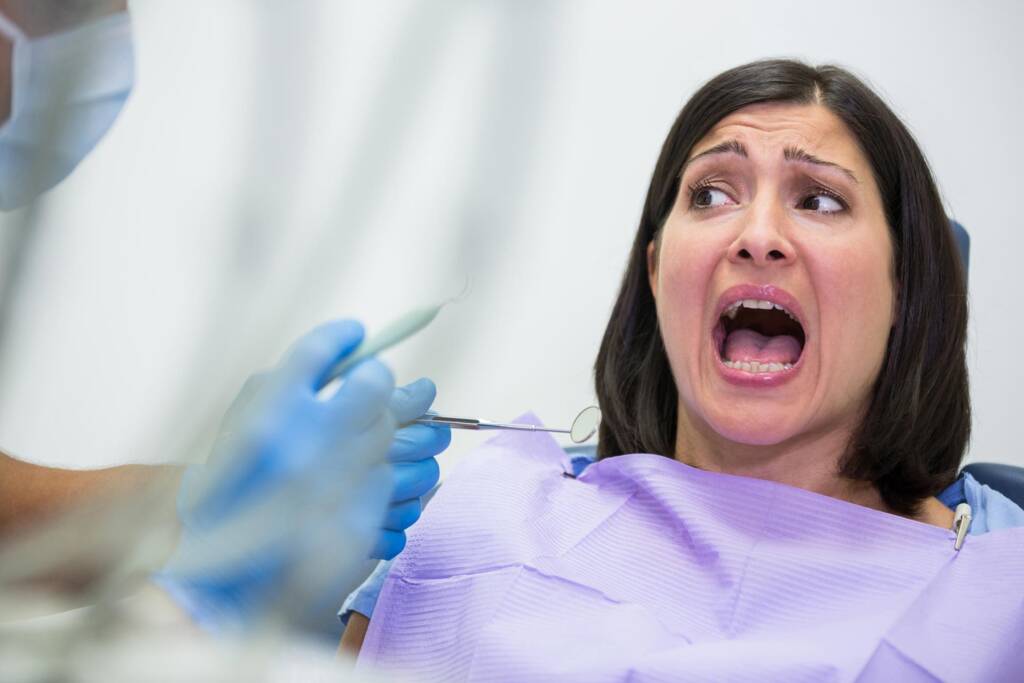
- The dentist: Like doctors, in commonly feared professions, “the dentist” is often irrationally and mistakenly cast as cold. It’s understandable—they are often hovering over you with sharp instruments while you’re in a vulnerable position. If you have had a negative personal experience with a particular dentist, you may be even more prone to this phobia.
- Pain: Until relatively recently, completely painless dentistry was difficult or impossible. Even today, some procedures may involve a slight amount of pain. Many people are extremely sensitive to mouth pain and fear that the pain may be excruciating. “What we see we feel.” As most of dental procedures are done under local anaesthesia patients might feel pain.
- Numbness or Gagging: Some people, particularly those who have experienced choking or difficulty breathing, are afraid of having their mouths numbed. You might worry that you will be unable to breathe or swallow.
- Sounds and Smells: Many people, particularly those who have had previous bad experiences with dentists, are afraid of the sounds and smells of a dentist’s office, particularly the sound of the drill.
- Needles: If you have a needle phobia, you might be extremely afraid of the injections that dentists use to numb the mouth.
Treatments
Exposure Therapy
Exposure therapy, a type of psychotherapy, is among the most effective solutions for dentophobia because it involves seeing the dentist on a gradual basis. You might start by meeting the dentist in a more relaxed setting, such as a consultation area, without actually sitting down for an examination. Then, you can gradually build to short exams, x-rays, and cleanings until you’re comfortable to take on a full appointment.
Some dentists help patients to overcome their fear through gentle dentistry and by explaining the procedures in a calming way in advance to reduce fear of the unknown. Positive reinforcement is another behavioural technique that may be used to overcome dentophobia. Praising the patient after a successful appointment can help boost confidence, diminish fear, and encourage additional treatment when required.
Distraction
Distraction techniques are designed to help divert the patient’s attention by having them focus on something pleasant or enjoyable while the perceived negative activity is going on. This has been a common technique practiced by clinicians for many decades and can be achieved through calming music, watching television or movies during treatment, finding or counting objects in a picture mounted on the ceiling, or a physical distraction such as concentrating on another body part like wiggling toes or fingers.
Relaxa on Techniques
Coping techniques like deep breathing, meditation, or hypnosis have positive responses from many patients suffering from dental phobias. Using these techniques, the mind is deeply focused on comfort and ease.
With hypnosis, for example, the area of the subconscious mind, where fears reside, is accessed while in a trance-like state. There, the subconscious mind is more easily able to accept suggestions to control fear, pain, and anxiety from a state of deep relaxation.
Cognitive Behavioral Therapy (CBT)
Cognitive behavioural therapy, geared toward patients who have more extreme cases of dentophobia, appears to decrease dental anxiety and improve the frequency of people going to the dentist for routine care. CBT enables patients to manage fears by helping to gradually change the way they think about dentistry and dental treatment.
It is based on the interconnectedness of thoughts, beliefs, feelings, and behaviours. CBT for dental anxiety is often performed outside of the dental setting by a mental health professional or within the dentist’s office by dental professionals who possess advanced psychological training.
Top Professionals Can Ease Dental Fear
The highly skilled professionals at WISDOM CASTLE understand your anxiety about dental treatment. WE focus on a positive patient experience and are committed to excellence by helping you reach your dental goals despite your fears. We also have dental chair which is
amazingly attractive , stylish and comfortable that will make your dental visit more relaxed.
In addition to the techniques discussed in this article, anxiety-reducing medications may be used in some cases to aid in delivering dental services. Understand all of your options before undergoing any treatment by today!