

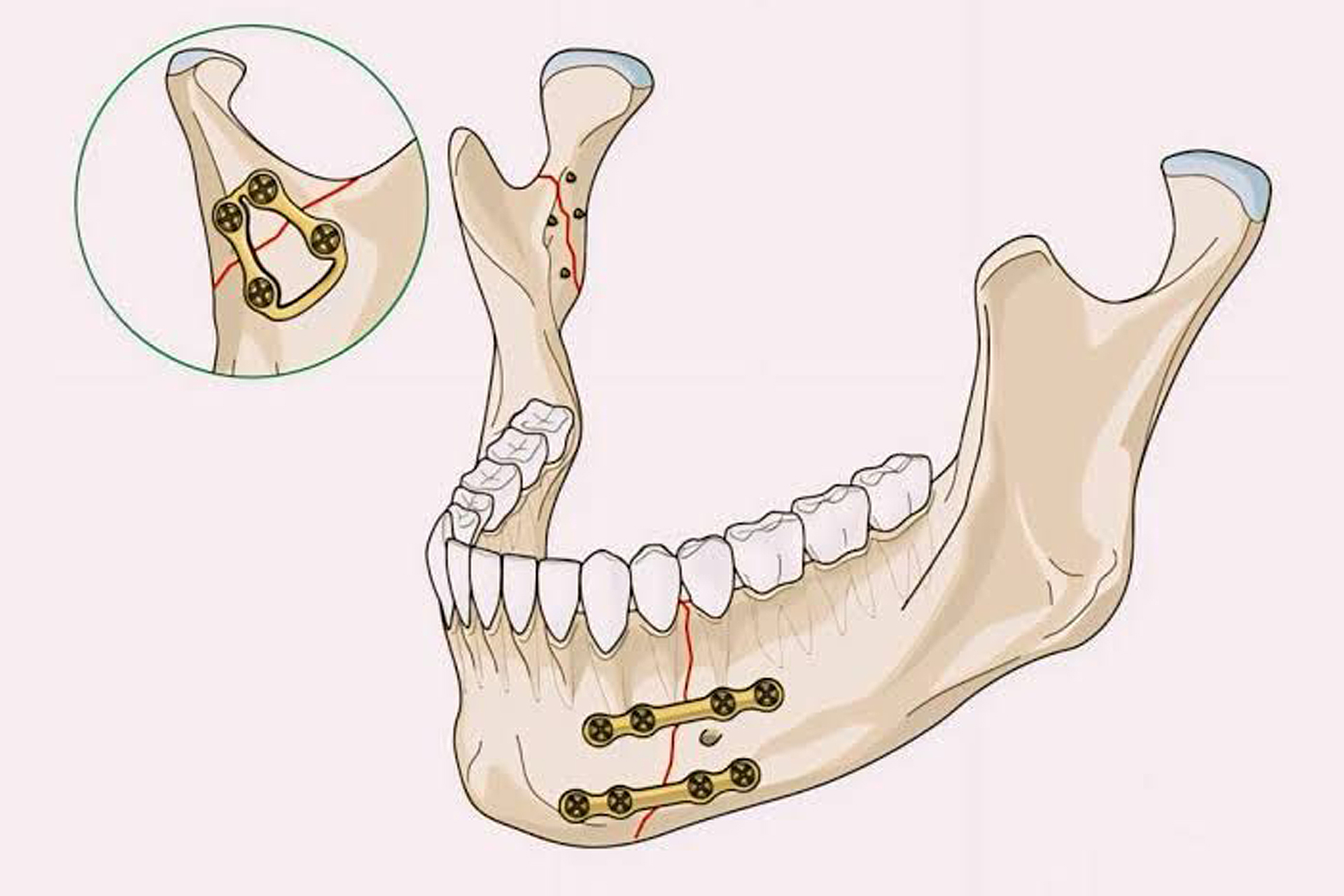
In the context of road traffic accidents (RTAs), dental injuries can occur as a result of trauma to the face or jaw. These injuries range from minor issues, like chipped teeth, to severe cases involving fractures of the jaw or dental avulsion (complete displacement of a tooth).
Common Dental Injuries in RTAs
- Tooth Fracture: Teeth may chip or break due to impact.
- Enamel Fracture: Involves only the outer layer of the tooth.
- Enamel Fracture: Involves only the outer layer of the tooth.
- Dental Avulsion: The entire tooth is knocked out.
- Luxation Injuries: Teeth are loosened or displaced within their sockets.
- Intrusion: Tooth is pushed into the jawbone.
- Extrusion: Tooth is partially pulled out of the socket.
- Lateral Displacement: Tooth is pushed to the side.
- Soft Tissue Injuries: Cuts or lacerations to the lips, tongue, or gums.
- Jaw Fractures: Often accompanied by misalignment of teeth.
- TMJ Disorders: Trauma to the temporomandibular joint can result in pain and dysfunction.
Dental Treatment for RTA Injuries
- Tooth Restoration:
- Minor Chips: Composite resin or dental bonding.
- Severe Fractures: Crowns, root canal therapy, or extraction if irreparable.
- Replantation:
- Avulsed teeth may be reimplanted within the first hour for the best outcomes.
- Orthodontic Splinting:
- Loosened or displaced teeth may be stabilized using a splint for several weeks.
- Surgical Interventions:
- Jaw fractures may require fixation with plates and screws.
- Soft Tissue Repair:
- Sutures for lacerations to the gums, lips, or cheeks.
- Prosthetic Replacement:
- Implants, bridges, or dentures for teeth that cannot be saved.