The Ultimate Guide to Powered Toothbrushes: Why You Should Make the
Switch
When it comes to oral care, most of us know that brushing twice a day is essential. But how can we make sure that we’re doing it effectively? Manual toothbrushes have been the go-to for centuries, but powered toothbrushes (also known as electric toothbrushes) have become increasingly popular in recent years. If you’re considering making the switch to a powered toothbrush, here’s everything you need to know!
What is a Powered Toothbrush?
A powered toothbrush is one that uses electricity to power a motor inside the handle, which moves the brush head in various ways. The movement can be either a back-and-forth or rotating motion, or a combination of both. The idea is that the brushing motions are more efficient and consistent than manual brushing, helping you achieve a deeper clean with less effort.
Key Benefits of Powered Toothbrushes
- Better Plaque Removal Studies have shown that powered toothbrushes can remove more plaque compared to manual brushes. Their consistent and high-speed motion helps dislodge more plaque from hard-to-reach areas in the mouth, leading to cleaner teeth and healthier gums.
- More Effective at Gum Health The oscillating or sonic movements of an electric toothbrush can help reduce gum inflammation and improve overall gum health. Some models even have a built-in pressure sensor that prevents you from brushing too hard, which can harm your gums.
- Time-Saving Most powered toothbrushes come with built-in timers that ensure you brush for the recommended two minutes. This helps you avoid rushing through your brushing session and gives you peace of mind that you’re brushing for the correct amount of time.
- Great for People with Limited Dexterity For people with arthritis or limited hand mobility, using a powered toothbrush is a game-changer. The automatic movement of the brush head reduces the need for hand and wrist coordination, making brushing less tiring and more effective.
- Consistency Electric toothbrushes tend to deliver a consistent brushing motion, which is difficult to replicate with a manual brush. This helps eliminate human error, ensuring that each session is as effective as the last.
Types of Powered Toothbrushes
Powered toothbrushes come in various types to suit different needs. Here are the most common types:
- Rotating/oscillating Toothbrushes: These toothbrushes have a head that rotates back and forth, providing a sweeping action that helps remove plaque effectively.
- Sonic Toothbrushes: Sonic toothbrushes vibrate at a higher frequency and tend to have a more rapid movement than rotating models. These vibrations help break up plaque and bacteria, while the sonic waves reach deep into the gum line.
- Ultrasonic Toothbrushes: These are similar to sonic toothbrushes but operate at even higher frequencies, often beyond what can be heard by the human ear. They offer deep cleaning, with the vibrations affecting not just the surface of the teeth, but also below the gum line.
Things to Consider When Choosing a Powered Toothbrush
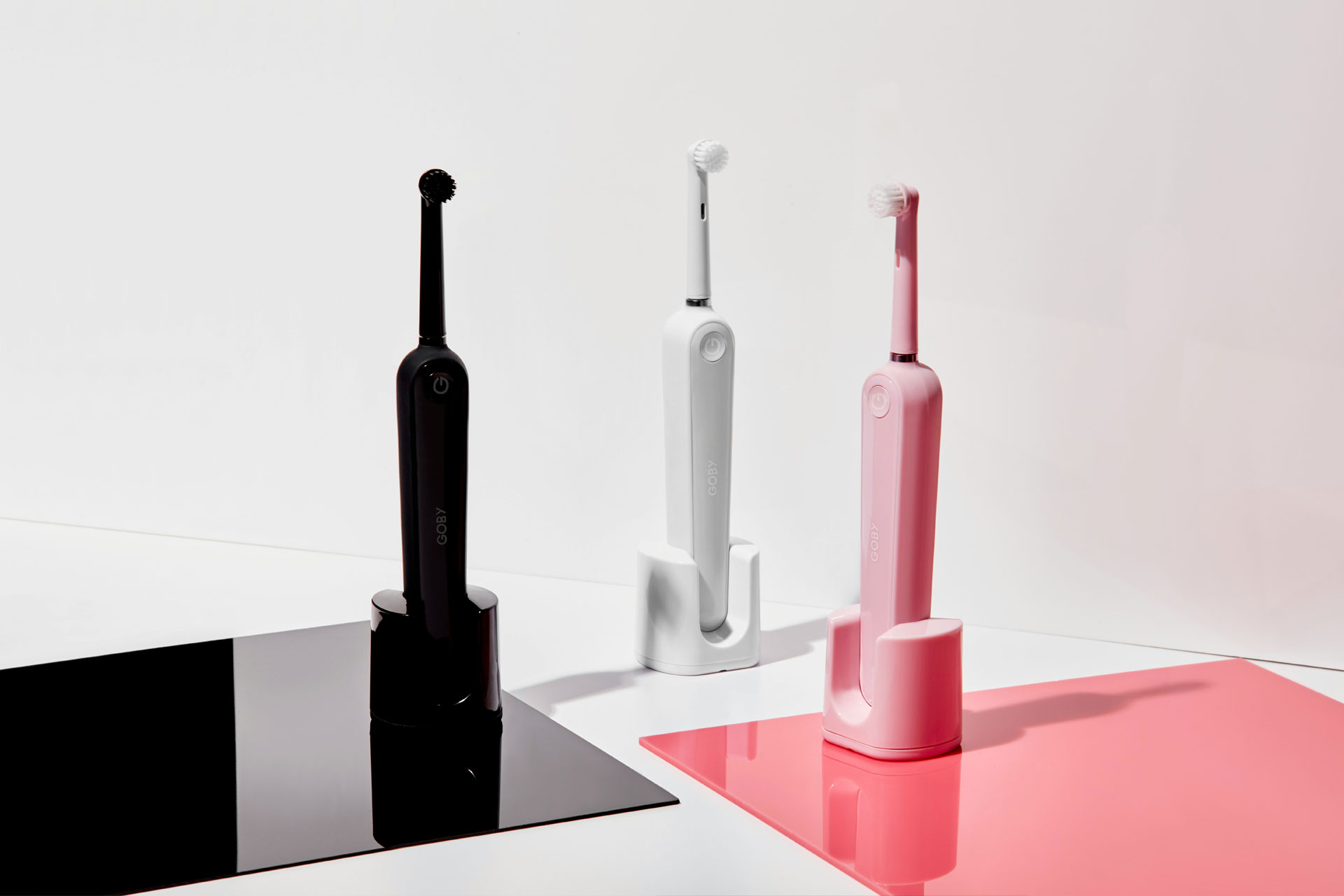
- Battery Life Battery life is an important factor, especially if you travel frequently. Look for a toothbrush that offers long battery life on a single charge. Some models even come with a charging dock or USB charging options for added convenience.
- Brush Head Compatibility Make sure the brush head is compatible with your chosen model. Some powered toothbrushes use proprietary brush heads, while others allow for more interchangeable options.
- Features Many powered toothbrushes come with a range of features, such as:
- Pressure sensors to avoid over-brushing
- Different brushing modes (e.g., sensitive, whitening, gum care)
- Smart sensors and apps that track your brushing habits
- Travel cases for easy storage and portability
- Price Powered toothbrushes range in price, from budget-friendly models to premium ones with high-tech features. While more expensive models tend to come with additional features, it’s important to choose one that fits within your budget and meets your specific needs.
How to Use a Powered Toothbrush Correctly
- Hold the toothbrush like a pen without applying pressure.
- Let the brush do the work—move it slowly across your teeth.
- Brush for two minutes, making sure to cover all surfaces of your teeth.
- Replace the brush head every three months or when the bristles appear worn out.
Are Powered Toothbrushes Worth It?
While powered toothbrushes can be more expensive upfront, they offer long term benefits for your oral health. The added efficiency and ease of use can lead to better plaque removal, improved gum health, and an overall cleaner mouth. Additionally, many models come with extra features like timers and pressure sensors that encourage you to brush properly and avoid damaging your teeth or gums.
In conclusion, switching to a powered toothbrush can be a smart investment in your oral health. Whether you’re aiming for a deeper clean, looking for a more effortless brushing experience, or hoping to get better gum care, a powered toothbrush may be just what you need. Try one out, and you might be surprised at how much of a difference it can make in your daily routine!